 Scale
ScaleCustom Shopify App vs Existing App: When to Build (2025 Guide)
Paying ₹50k/month in app fees? Learn exactly when custom Shopify development makes sense vs using existing apps—with real cost comparisons and a decision framework.

Summarize with ChatGPT
Click to open ChatGPT with prompt ready - just press Enter!
You installed an app to handle product recommendations. Then another for cart optimization. Another for email capture. One more for Instagram integration. Another for inventory management. One for reviews. Another for bundle discounts.
Now you are paying ₹48,000/month in app subscription fees.
And here is the worst part: most of these apps are only using 30% of their features. You are paying for "all-in-one" solutions when you only need one thing. The apps occasionally conflict with each other. Your store loads slower than it should. And you are locked into monthly fees forever.
This is the app trap that nearly every Shopify store falls into.
On the other hand, custom development is expensive upfront. Building a custom app costs ₹8-15 lakh. That is a significant investment. And the decision is not reversible—you cannot uninstall custom code as easily as an app.
So when does it make sense to build custom? When should you stick with existing apps? And how do you actually make this decision?
This guide provides a framework. We will look at real costs, examine actual examples, and give you a systematic way to evaluate your specific situation.

The Real Cost Comparison
Let us start with money, because that is usually the first question.
Existing Apps: The Long-Term View
Most store owners think about app costs monthly. But the real picture only emerges over years.
Example Store Using Existing Apps:
- Product recommendations app: ₹3,500/month
- Cart drawer optimization: ₹2,500/month
- Email marketing: ₹5,000/month
- Inventory sync (multi-location): ₹4,000/month
- Advanced analytics: ₹3,000/month
- Size chart/fit finder: ₹2,500/month
- Bundle/discount app: ₹2,000/month
- Total: ₹22,500/month
Over 3 years: ₹8,10,000
Over 5 years: ₹13,50,000
And that is a modest setup. Stores with 10+ apps easily spend ₹40,000-60,000/month, which is ₹21,60,000-32,40,000 over 3 years.
Custom Development: The One-Time Investment
A custom app typically costs:
- Simple automation/integration: ₹3-6 lakh
- Standard functionality (recommendations, bundles): ₹8-15 lakh
- Complex systems (multi-vendor, advanced logic): ₹15-30 lakh
Plus ongoing maintenance:
- Bug fixes and updates: ₹30,000-60,000/year
- Feature additions: Variable based on scope
Total over 3 years (medium complexity):
- Development: ₹12 lakh
- Maintenance: ₹1.5 lakh (₹50k/year × 3)
- Total: ₹13.5 lakh
Total over 5 years:
- Development: ₹12 lakh
- Maintenance: ₹2.5 lakh (₹50k/year × 5)
- Total: ₹14.5 lakh
The Breakeven Point
For the example above, custom development breaks even around month 18-24 if you are replacing ₹20k+/month in app fees.
But cost is not the only factor. Sometimes apps are the right choice even if custom would eventually be cheaper. Sometimes custom is worth it even if apps are less expensive.
Let us look at the decision framework.

The 5-Factor Decision Framework
Use these five factors to evaluate whether custom development makes sense for your specific situation:
Factor 1: Functionality Gap
Use existing apps when:
- Your needs are standard (product recommendations, email capture, reviews)
- Multiple apps exist that do what you need
- The app's features match your requirements closely
- You need the functionality working immediately
Build custom when:
- Your workflow is unique to your business
- Existing apps only solve 50% of your problem
- You need features no existing app offers
- Your requirements are too specific for a general app
Example: We built a custom AI recommendation app because existing apps required manual setup for every product. For a store with 500 products, that is weeks of work. Plus, when new products are added, you have to manually update recommendations everywhere. No app solved this—so we built it.
Factor 2: Integration Complexity
Use existing apps when:
- They integrate cleanly with your existing setup
- You only need basic connections
- The apps work well together without conflicts
Build custom when:
- You need to connect multiple systems (warehouse, ERP, fulfillment)
- Existing integrations are unreliable or limited
- You have legacy systems that require custom connectors
- Data flow is complex with business logic
Example: A fashion brand needed their Shopify store to sync with Unicommerce (warehouse management), a custom manufacturing system, and their accounting software. Each connection had specific business rules—like only syncing certain SKUs, handling bundle products specially, and applying custom pricing logic based on customer segments. No existing app handled all three integrations with the required logic. Custom middleware was the only option.
Factor 3: Competitive Advantage
Use existing apps when:
- The functionality is table stakes (every store needs it)
- Your competitive advantage is elsewhere (product quality, brand, marketing)
- Speed to market matters more than uniqueness
Build custom when:
- The functionality is a core differentiator for your business
- You want exclusive capabilities competitors cannot easily replicate
- Your user experience is a competitive weapon
- You are building a unique business model
Example: A D2C skincare brand built a custom quiz that recommends products based on skin type, concerns, climate, and lifestyle. The quiz is integrated with their CRM, email automation, and product recommendations. This personalized experience is central to their brand—and competitors cannot just install the same app to replicate it.
Factor 4: Scale and Performance
Use existing apps when:
- Your traffic and product catalog are modest
- Performance is acceptable with current apps
- You are not hitting app limitations
Build custom when:
- You have tens of thousands of products
- Your traffic requires optimized code paths
- App limitations are blocking your growth
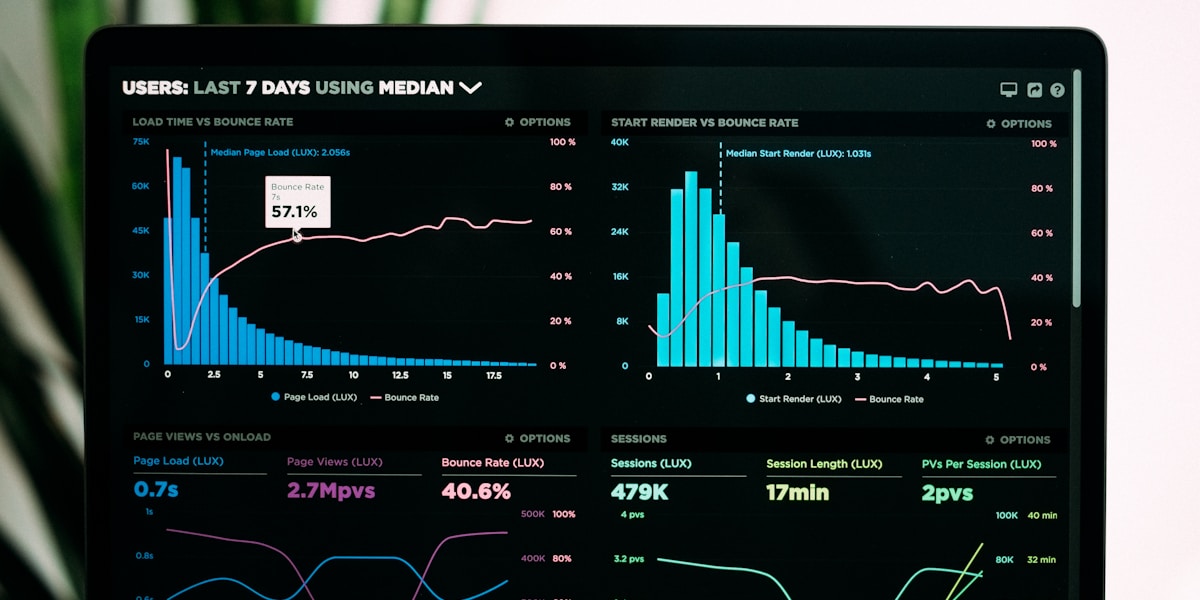
- Page speed is critical and apps are slowing you down
Example: A marketplace with 50,000 products installed a popular related products app. It worked initially but became unusably slow as the catalog grew. The app's algorithm could not handle the scale. A custom solution with optimized database queries and caching solved the performance issue while reducing monthly costs.
Factor 5: Long-Term Control
Use existing apps when:
- You want automatic updates and new features
- You prefer vendor support handling issues
- Your requirements are stable and unlikely to change much
- You do not want to maintain code
Build custom when:
- You need complete control over functionality
- You want to avoid dependency on external vendors
- Your requirements evolve frequently
- You have (or can hire) technical resources for maintenance
Example: A subscription box company built custom subscription management instead of using existing apps because their model was unique—customers could swap products, pause for specific weeks, and had complex gifting options. Every time they wanted to add a feature, they were limited by what the app supported. Custom development gave them complete control.
When Existing Apps Are the Right Choice
Let us be clear: for most functionality, existing apps are the right choice. Here are specific cases where you should not build custom:
1. Standard Email Marketing
Apps like Klaviyo, Omnisend, and Mailchimp are mature, feature-rich, and constantly improving. They have:
- Deliverability infrastructure you cannot replicate
- Templates and automation flows that just work
- Integrations with every platform
- Compliance handling (GDPR, CAN-SPAM, etc.)
Building custom email marketing is almost never justified. Use an existing app.
2. Customer Reviews
Yotpo, Judge.me, Loox—these apps are excellent. They handle:
- Review collection
- Photo reviews and video reviews
- SEO markup for rich snippets
- Moderation and spam filtering
- Social proof widgets
Reviews are important but not differentiating. Use an app.
3. Live Chat and Support
Tidio, Gorgias, Re:amaze provide:
- Multi-channel support (chat, email, social media)
- AI chatbots
- Ticket management
- Team collaboration
- Analytics and reporting
Unless you are building a unique support experience as a competitive advantage, use an existing tool.

4. Basic Analytics
Google Analytics 4, Shopify Analytics, and apps like Triple Whale provide standard ecommerce tracking. For most stores, these are sufficient.
Build custom analytics only if you need very specific tracking that requires custom event structures or unique attribution models.
5. Social Media Integration
Instagram feed, Facebook shop, Pinterest—these integrations are commodity features. Apps handle the API connections, auth flows, and updates when platforms change.
Do not build custom social integrations unless you are doing something genuinely unique with the data.
6. Shipping and Fulfillment
Shiprocket, Shipway, ShipStation—these integrate with carriers, generate labels, and handle tracking. Building custom shipping systems makes no sense unless you own the logistics infrastructure.
When Custom Development Is Worth It
Now let us look at cases where custom makes sense:
1. Unique Workflows That No App Handles
Real Example: A made-to-order furniture store needed:
- Custom product configurator with 3D preview
- Manufacturing workflow tracking (from order to production to delivery)
- Customer approval at key stages (design approval, production photos)
- Integration with their workshop scheduling system
No app existed for this workflow. Custom was the only option.
Cost: ₹22 lakh development, ₹80k/year maintenance Alternative: Would have required 5-6 different apps with manual coordination between systems
2. Business Logic That Apps Cannot Implement
Real Example: A B2B distributor needed:
- Different pricing for different customer segments (12 tiers)
- Automatic credit limits based on payment history
- Custom approval workflows for large orders
- Integration with their ERP for inventory and accounting
Apps offer "customer tags" and basic pricing rules. They could not handle the complexity.
Cost: ₹18 lakh development, ₹1.2 lakh/year maintenance Alternative: ₹35k/month in apps + significant manual work = worse solution at higher cost

3. Proprietary Algorithms or Data Models
Real Example: Our AI-powered product recommendation app.
We needed:
- AI that analyzes product attributes to understand relationships
- Automatic recommendation generation for every product
- Automatic updates when new products are added
- Zero manual configuration required
Existing apps required manual setup (hours of work for large catalogs) or used basic collection matching (poor recommendations).
Cost: Development investment Result: Unique capability that competitors cannot replicate by installing an app
4. Performance-Critical Features at Scale
Real Example: A high-traffic fashion site needed:
- Sub-second personalized product feeds
- Real-time inventory updates across 15,000 SKUs
- Custom caching strategy
- Optimized database queries
Existing apps added 2-3 second page load delays. Custom solution delivered the required performance.
Cost: ₹25 lakh development, ₹1.5 lakh/year maintenance Result: 40% faster page loads, 15% conversion improvement
5. Competitive Differentiation Through Technology
Real Example: A beauty brand built a custom virtual try-on that:
- Uses AR to show makeup on customer's face
- Recommends shades based on skin tone analysis
- Integrates with their product catalog
- Syncs recommendations to email and retargeting
This became their primary customer acquisition tool. Competitors using standard apps cannot match the experience.
Cost: ₹35 lakh development, ₹2 lakh/year maintenance Result: Core brand differentiator, 2.3x conversion rate on try-on users
The Hybrid Approach: Best of Both Worlds
Often, the best solution is not "all custom" or "all apps"—it is hybrid.
Strategy 1: Apps for Commodities, Custom for Differentiators
Use apps for standard functionality:
- Email marketing: Klaviyo
- Reviews: Judge.me
- Analytics: Google Analytics
Build custom for competitive advantages:
- Unique product configurator
- Custom recommendation engine
- Proprietary workflow automation
This approach gets you the benefits of mature app ecosystems where you do not need differentiation, while building custom where it matters.
Strategy 2: Apps with Custom Integrations
Use existing apps but build custom connectors:
- Inventory management app, but custom sync logic to your warehouse
- Email marketing app, but custom data pipeline for advanced segmentation
- Review app, but custom integration with your CRM
This is often the most cost-effective approach. You leverage existing tools but extend them with business-specific logic.
Strategy 3: Custom Backend, Standard Frontend
Build custom business logic and APIs, but use existing apps for user-facing features:
- Custom pricing engine (API), but standard cart app
- Custom inventory allocation logic (API), but standard fulfillment app
- Custom recommendation logic (API), but standard widget app
This keeps your proprietary logic under your control while avoiding rebuilding UI components.

Red Flags That You Need Custom Development
Watch for these warning signs that existing apps are not cutting it:
1. You Are Using 3+ Apps to Accomplish One Workflow
If it takes three apps—plus manual coordination—to complete a business process, you probably need custom. The complexity, cost, and failure points of multi-app workflows often exceed custom development costs.
2. You Spend 5+ Hours/Week on Manual Workarounds
If you (or your team) are manually exporting data from App A, manipulating it in spreadsheets, and importing to App B—that is a sign. Your time has value. If automation would save 250+ hours/year, custom development pays for itself.
3. Apps Break When You Update Your Theme
If every theme update requires reinstalling apps, fixing conflicts, and adjusting code—that is technical debt accumulating. Custom development integrated properly does not break with theme changes.
4. You Hit App Limitations Regularly
"This app almost does what we need, but..." is a red flag. If you are constantly frustrated by what an app cannot do, and the vendor is not adding the features you need, it is time to build custom.
5. App Costs Are 5%+ of Revenue
If you are spending ₹50k/month on apps and generating ₹10 lakh/month revenue, apps are consuming 5% of revenue. At that point, investing in custom often reduces ongoing costs while improving capabilities.
6. Data Is Trapped in Apps
If valuable customer data exists in apps but you cannot access it, sync it, or use it elsewhere—that is a problem. Custom solutions give you complete data ownership and control.
How to Evaluate Your Specific Situation
Here is a practical process to decide:
Step 1: List Your Current Apps and Costs
Make a spreadsheet:
- App name
- Monthly cost
- Features you actually use
- Features you pay for but do not use
- Pain points with the app
Calculate your actual monthly and annual spend.
Step 2: Identify Inefficiencies
Look for:
- Manual work you do because apps do not integrate
- Features you wish existed but no app offers
- Performance issues caused by apps
- Data silos preventing insights
Quantify the cost of these inefficiencies in time and revenue.
Step 3: Estimate Custom Development Cost
For each major pain point, get rough estimates:
- Could this be solved by switching apps? (Try that first)
- What would custom development cost?
- What would ongoing maintenance cost?
Multiply maintenance cost by 3-5 years for fair comparison.
Step 4: Calculate Breakeven
Compare:
- Current situation: App costs + inefficiency costs (time, lost revenue)
- Custom solution: Development cost + maintenance costs
When does custom break even? If it is under 24 months, custom is likely worth considering.
Step 5: Consider Non-Financial Factors
Even if apps are cheaper, custom might be worth it for:
- Competitive advantage
- Complete control
- Unique user experience
- No vendor dependency
- Data ownership
These have value even if they are harder to quantify.

Working with a Development Agency
If you decide custom development makes sense, here is how to work with an agency effectively:
1. Define Requirements Clearly
Do not ask an agency to "build an app that does X." Instead:
- Document your current workflow step-by-step
- Explain what problems you are trying to solve
- Provide examples of desired functionality
- Share any existing systems that need integration
The clearer your requirements, the more accurate the estimate and better the final product.
2. Start with an MVP
Do not build everything at once. Start with:
- Core functionality that solves your biggest pain point
- Simplest version that delivers value
- Room to iterate based on real usage
You can add features later. Get something working and learn from it.
3. Plan for Maintenance
Custom code requires ongoing maintenance:
- Bug fixes
- Shopify API updates
- New feature development
- Performance optimization
Budget 10-15% of initial development cost annually for maintenance.
4. Insist on Documentation
Make sure you receive:
- Code documentation
- API documentation
- User guides
- Architecture overview
If you ever switch agencies, documentation is essential.
5. Retain Ownership
The code should be yours. Ensure contracts specify:
- You own all code developed
- You receive all source files
- No ongoing licensing fees for the code itself
You are paying for development, not renting the software.
Conclusion: There Is No Universal Answer
Should you build custom or use existing apps? It depends.
For standard functionality that every store needs—email, reviews, analytics, shipping—use apps. They are mature, maintained, and cost-effective.
For workflows unique to your business, complex integrations, or competitive differentiators—consider custom. The upfront cost is higher, but the long-term value often exceeds the investment.
Most stores benefit from a hybrid approach: apps for commodities, custom for differentiators.
The decision framework comes down to:
- Functionality gap: Do apps exist that solve your problem well?
- Integration complexity: How many systems need to work together?
- Competitive advantage: Is this a differentiator or table stakes?
- Scale and performance: Are apps limiting your growth?
- Long-term control: Do you need to own the solution?
If you answered "custom makes sense" to 3+ of these factors, it is worth getting development estimates.
At Scalefront, we have built both custom Shopify apps and helped clients optimize their existing app stacks. We can help you evaluate whether custom development makes sense for your specific situation—and if it does, we will build it properly.
Get in touch with our team to discuss your specific requirements and get a free consultation on whether custom development makes sense for your Shopify store.
Frequently Asked Questions
How much does custom Shopify app development cost in India?
Custom Shopify app development typically costs ₹3-6 lakh for simple integrations, ₹8-15 lakh for standard functionality, and ₹15-30 lakh for complex systems. Ongoing maintenance costs ₹30,000-80,000/year. The total cost depends on complexity, features, and integrations required.
How long does it take to build a custom Shopify app?
A simple custom app takes 4-6 weeks. Medium complexity apps (like product configurators or recommendation engines) take 8-12 weeks. Complex systems with multiple integrations can take 3-6 months. Timeline depends on scope, requirements clarity, and number of integrations.
When should I build a custom Shopify app instead of using existing apps?
Build custom when: (1) no existing app solves your problem, (2) you need unique workflows specific to your business, (3) you are spending ₹20k+/month on multiple apps, (4) the functionality is a competitive advantage, (5) you need complex integrations between multiple systems, or (6) existing apps limit your growth.
Can I switch from existing apps to custom development later?
Yes, many stores start with apps and switch to custom as they scale. However, plan for data migration, workflow changes, and team training. The transition is smoother if you document current processes and pain points thoroughly before development begins.
What happens if my custom app needs updates when Shopify changes their API?
Custom apps require ongoing maintenance for Shopify API updates, bug fixes, and new features. Budget ₹30k-80k/year for maintenance. A good development agency monitors Shopify API changes and proactively updates your app to maintain compatibility.
Do I own the code if I hire an agency to build a custom Shopify app?
You should own all code—ensure your contract specifies complete code ownership, source file delivery, and no ongoing licensing fees. You are paying for development work, not renting software. Reputable agencies provide full ownership as standard practice.

Written by ScaleFront Team
The ScaleFront team helps Shopify brands optimize their stores, improve conversion rates, and scale profitably.
Get in touch →Get Shopify Tips in Your Inbox
Join 1,000+ store owners getting weekly insights on Shopify optimization, conversion tactics, and growth strategies.
No spam. Unsubscribe anytime.
Need Expert Help with Your Shopify Store?
Get a free consultation with our Shopify optimization experts. We have helped dozens of brands improve their store performance and increase conversions.
Related Articles

Case Study: Converting Complex Figma Designs to Shopify for a Premium Beauty Brand
Real case study: How we converted complex Figma designs to Shopify for a beauty brand. Challenges, solutions, code examples, and results. $38K investment, 9-week timeline.

How to Convert Figma Designs to Shopify: The Complete Guide
Learn how to convert Figma designs to Shopify themes. Step-by-step process, tools, code examples, and best practices from professional developers. Custom vs theme approaches.

Optimizing Shopify Store Performance: Developer's Guide
Advanced Shopify performance optimization techniques for developers. Covers Liquid rendering, JavaScript defer strategies, critical CSS, lazy loading patterns, and Core Web Vitals fixes.